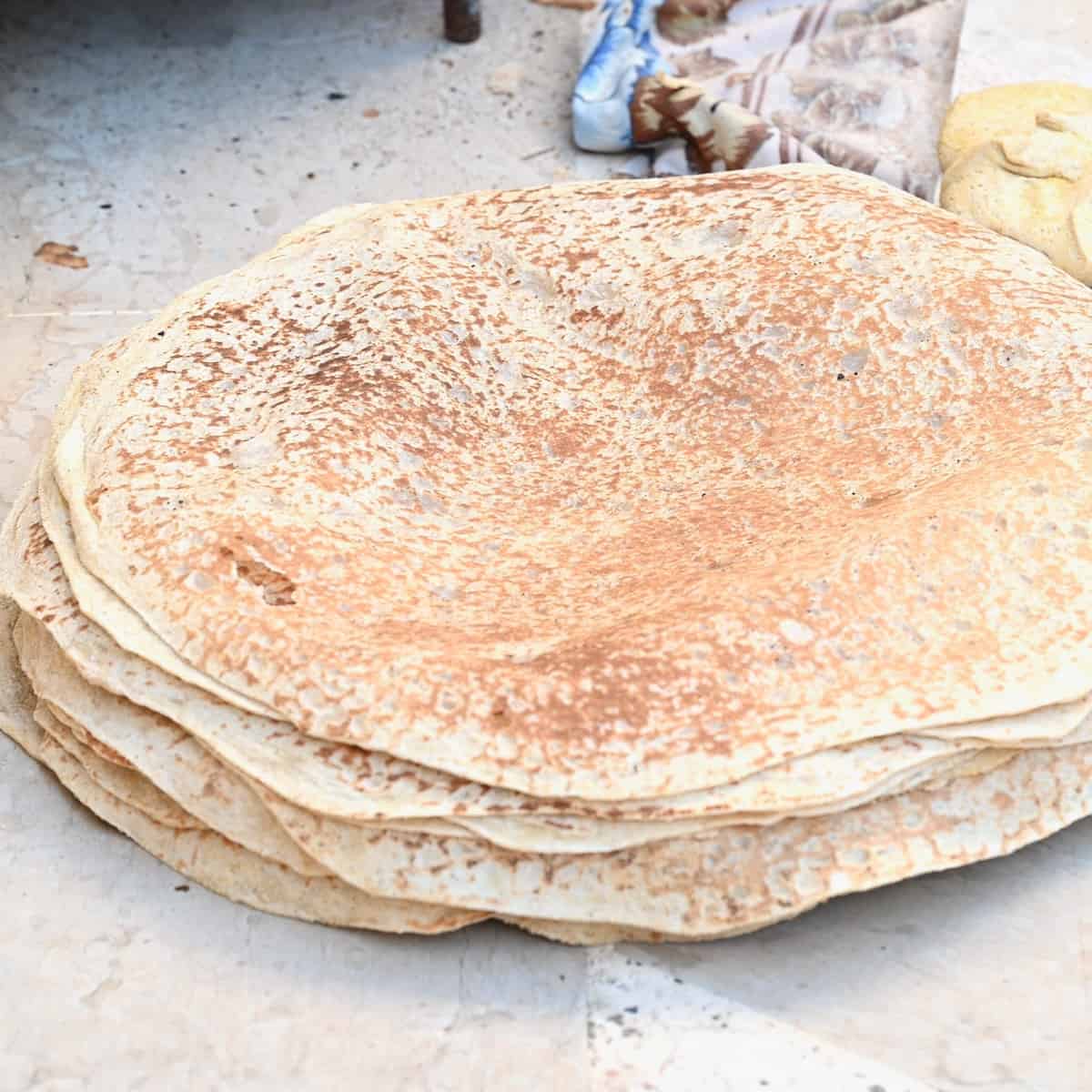
Mastering Markouk: Bake Paper-Thin Lebanese Saj Bread at Home
There’s a certain magic in the aroma of freshly baked bread, especially when it’s a staple as revered and versatile as Lebanese Markouk. This isn't just any flatbread; it's a culinary icon, celebrated for its gossamer-thin texture and incredible flexibility. Often cooked on a traditional convex griddle known as a *saj*, mastering
markouk saj bread at home is a journey that connects you directly to the heart of Middle Eastern hospitality and tradition. Forget store-bought versions – with just a few simple ingredients and some clever kitchen adaptations, you can recreate this authentic, paper-thin delight in your own kitchen, perfect for elevating any meal of the day.
What is Markouk Saj Bread? Unveiling a Culinary Category
Before diving into the recipe, it's essential to understand the nomenclature surrounding this fascinating bread. "Saj bread" isn't a single recipe but rather a *category* of unleavened or lightly leavened flatbreads cooked on a *saj* (or *tava*), a distinctive convex metal griddle. This ancient cooking method is found across the Middle East and South Asia, giving rise to many regional variations like Turkish Yufka, Indian Tava roti, and Palestinian Shrāke bread.
Within this diverse family,
markouk saj bread stands out. It's often considered the "king" of thin Middle Eastern flatbreads, known by a myriad of names including *shrak*, *mashrooh*, *khubz ruqaq*, and sometimes even *lavash* (though true lavash has its own unique characteristics). While traditionally unleavened, many home bakers, drawing on generations of wisdom passed down through families, incorporate a touch of yeast to achieve a dough that is even more pliable, soft, and easy to stretch to its characteristic translucence. Its defining features are its incredible thinness, a slightly crispy texture when fresh, and its unmatched ability to complement everything from vibrant mezze spreads to hearty stews and flavorful wraps. If you're curious about the subtle differences and shared heritage of these breads, delve deeper into
Markouk, Shrak, Lavash: Understanding Middle Eastern Saj Bread.
The Heart of the Dough: Simple Ingredients, Profound Flavor
One of the most appealing aspects of markouk is the simplicity of its ingredient list. You don’t need an exotic pantry to create this masterpiece, just a handful of staples working in harmony to produce a truly authentic flavor and texture.
*
Flour: The foundation of any bread, flour for markouk needs to strike a balance between strength and tenderness. A combination of regular
all-purpose white flour and
whole-wheat flour is often preferred. The all-purpose flour provides the necessary gluten structure for stretching, while a touch of whole-wheat adds a deeper, nuttier flavor and a more wholesome texture without compromising the bread's flexibility. Look for unbleached varieties for the best results.
*
Salt: Essential for enhancing flavor and regulating yeast activity. Don't skip it; the right amount brings out the subtle sweetness of the flour.
*
Yeast & Sugar: While many traditional versions of markouk are unleavened, a small amount of active dry yeast, "fed" by a pinch of sugar, is a common addition in homemade recipes. This slight leavening helps create a softer, more manageable dough that is easier to stretch to extreme thinness and results in a less brittle, more pliable bread. This is a secret shared by many Lebanese mothers, ensuring consistent perfection.
*
Water: The lifeblood of the dough, water hydrates the flour to activate gluten and bring everything together. The exact amount can vary slightly depending on your flour and humidity, so add it gradually until you achieve a soft, pliable, and slightly sticky dough. You'll also need a little extra water to keep your hands moist while stretching.
*
Cornmeal or Flour for Dusting: This is crucial for preventing the incredibly thin dough from sticking to your work surface or hands. Fine cornmeal adds a subtle texture and prevents sticking without altering the flavor, but any all-purpose flour will also work effectively.
Mastering the Markouk: Techniques for Paper-Thin Perfection
Making
markouk saj bread is an art form, but one that is surprisingly accessible. The magic lies not just in the ingredients, but in the technique, especially the stretching and cooking.
Crafting the Elastic Dough
Begin by combining your dry ingredients (flours, salt, yeast, sugar) in a large bowl. Gradually add warm water, mixing until a shaggy dough forms. Turn it out onto a lightly floured surface and knead for about 8-10 minutes. This kneading is vital; it develops the gluten, making the dough elastic and pliable enough to be stretched incredibly thin without tearing. The dough should be soft, smooth, and slightly tacky to the touch. Form it into a ball, lightly oil the bowl, place the dough back in, cover, and let it rest in a warm place for about 60-90 minutes, or until doubled in size. This resting period is critical for gluten relaxation and for the yeast to work its magic, making the dough far easier to handle.
The Art of Stretching: Achieving Translucence
This is perhaps the most captivating part of making markouk. Traditionally, the dough is stretched over a special round, soft cushion, often covered with a clean cloth. This cushion, sometimes called a *karse*, allows the baker to gently pull and rotate the dough, using its weight and gravity to achieve its signature paper-thinness.
For home bakers, don't despair if you don't have a dedicated markouk cushion. You can improvise! A round, firm cushion covered with a clean, lint-free kitchen towel works beautifully. Alternatively, you can achieve similar results by stretching the dough directly on a generously floured surface, using the back of your hands and knuckles to gently pull and expand it from the center outwards. Aim for a diameter roughly similar to your cooking surface. Remember to keep your hands slightly moist or dusted with flour/cornmeal to prevent sticking. Practice is key here; don't be discouraged if your first few attempts aren't perfect. With each try, you'll gain a feel for the dough's elasticity. For more hands-on guidance, exploring a
Lebanese Mother's Secret: Authentic Thin Markouk Saj Bread often reveals invaluable practical tips for this delicate step.
The Home Saj Setup: Inverting Tradition
The *saj* is a large, convex griddle, traditionally heated over an open flame or coals. It allows the bread to cook quickly and evenly, puffing up slightly with beautiful golden-brown spots. Recreating this at home is simpler than you might think.
The best household alternative is an
inverted wok or kadai with a smooth, rounded bottom. Simply place it upside down on your stovetop burner and heat it over medium-high heat until it's very hot. Alternatively, a large, flat crepe pan or cast-iron griddle can also work, though it won't give you the exact convex curve. Ensure your improvised "saj" is well-heated before you place the dough, as high heat is crucial for the bread to cook rapidly and achieve its characteristic texture. A chef's tip: ensure your stretching cushion and cooking surface are similar in size to make transferring the dough easier.
Cooking the Bread: Swift & Sizzling
Once your dough is stretched to the desired thinness and your "saj" is piping hot, it's time to cook. Carefully drape the stretched dough onto the hot surface. It will cook incredibly fast – usually just 30-60 seconds per side. Watch for bubbles to form, and for the bread to develop light golden-brown spots and edges. Use a spatula or your fingers (carefully!) to flip it. The bread should be pliable and slightly crisp. As each piece finishes, stack them on a clean kitchen towel to keep them warm and soft.
Serving Suggestions and Cultural Significance
The beauty of
markouk saj bread lies in its remarkable versatility. It's a cornerstone of Middle Eastern cuisine, served with nearly every meal.
*
Mezze: Tear off pieces to scoop up creamy hummus, smoky baba ghanoush, or vibrant labneh.
*
Breakfast: A popular choice, especially with olive oil, za'atar, and a fresh cup of tea.
*
Wraps: Its thinness and pliability make it perfect for wrapping shawarma, falafel, or simple cheese and vegetable fillings.
*
Stews and Soups: Use it to soak up rich sauces and broths.
*
Crispy Snacks: Lightly brush with olive oil and za'atar, then bake for a few minutes until crisp, for a delightful snack.
Beyond its culinary uses, markouk embodies generosity and communal eating. It’s often prepared in large batches for family gatherings, symbolizing warmth, tradition, and the simple joy of sharing food. Making it at home is more than just baking; it's an act of cultural immersion and a way to bring a piece of Lebanese heritage to your table.
Conclusion
Baking
markouk saj bread at home is a rewarding experience that offers a direct connection to a rich culinary tradition. From understanding its humble ingredients to mastering the delicate art of stretching and swift cooking, each step brings you closer to creating this authentic, paper-thin Lebanese delight. While it may take a little practice to achieve that perfect translucent quality, the journey is as enjoyable as the delicious results. So, set up your improvised saj, gather your simple ingredients, and embark on a culinary adventure that will fill your home with the irresistible aroma of freshly baked markouk, ready to be enjoyed with family and friends.