Markouk, Shrak, Lavash: Understanding Middle Eastern Saj Bread
The culinary tapestry of the Middle East is rich with diverse flavors and traditions, and at its heart lies a staple that has nourished generations: flatbread. Among the most cherished varieties is saj bread, a versatile category encompassing a range of thin, often unleavened breads cooked on a distinctive convex griddle. From the delicate crispness of *markouk* to the slightly chewier *shrak* and the widely recognized *lavash*, these breads share a common heritage yet possess unique characteristics that tell stories of regional tastes and ancient customs. For many, the aroma of freshly baked
markouk saj bread evokes memories of bustling kitchens and communal meals, a testament to its profound cultural significance.
What Exactly is Saj Bread? A Culinary Canvas
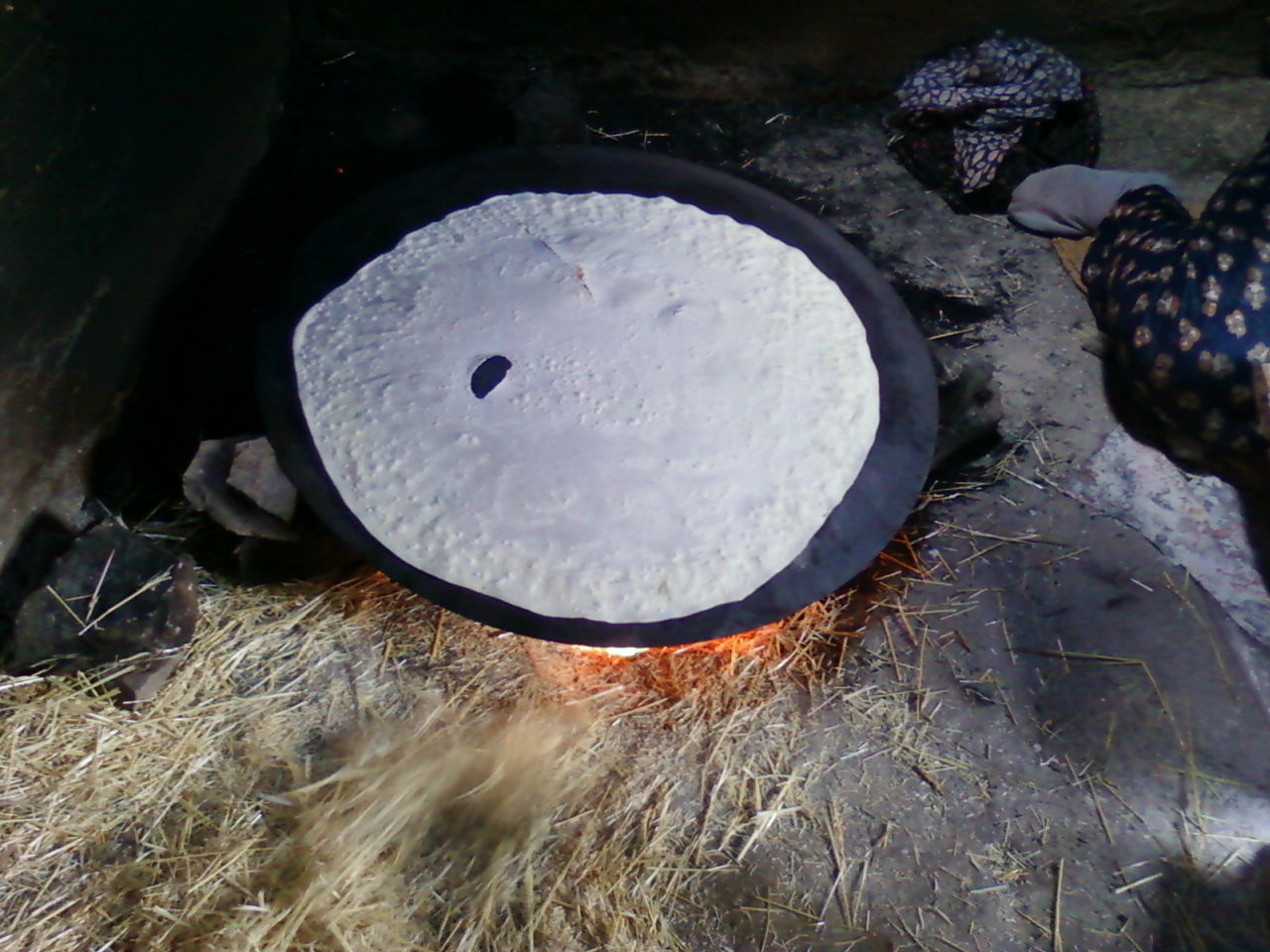
To truly appreciate its various forms, we must first understand the essence of "saj bread" itself. It's not a single recipe but rather a broad classification for flatbreads cooked on a specific piece of equipment: the *saj*. This large, dome-shaped or convex metal griddle, often heated over an open flame or embers, is the defining feature of these breads. The high, direct heat of the saj allows for incredibly fast cooking, often just seconds per side, resulting in bread that is thin, pliable, and sometimes delicately charred.
The tradition of saj baking spans across the Middle East, parts of South Asia, and the Caucasus, manifesting in various forms. While the focus here is primarily on the Levantine varieties like
markouk saj bread, it's worth noting its global cousins: the thick, versatile *Tava roti* of India, the sturdy *Yufka* or cheese-filled *Gözleme* from Turkey, and the thinner *Shrāke* bread found in Palestine, which bears a striking resemblance to markouk. Each variant, while sharing the saj cooking method, offers a distinct texture and flavor profile, reflecting the local ingredients and culinary preferences.
Markouk, Shrak, and Lavash: Delving into the Nuances
When delving into Middle Eastern flatbreads, few are as iconic as
markouk. Often hailed as the "king" of unleavened flatbreads in the Levant,
markouk saj bread is renowned for its remarkable thinness, almost translucent quality, and subtle crispiness. It goes by a multitude of names depending on the region or even specific family tradition: *markook*, *mashrooh*, *khubz ruqaq*, and *shrak* are all common monikers. This linguistic diversity highlights its deep integration into the daily life and culinary vocabulary of the region.
While often considered unleavened, many cherished homemade recipes, passed down through generations—like the ones shared by Lebanese mothers—ingeniously incorporate a touch of yeast. This subtle addition, far from detracting from its traditional character, lends a desirable softness and flexibility, making the bread easier to handle and perfect for wrapping. The versatility of
markouk saj bread is truly astounding; it's the ideal companion for vibrant mezze spreads, heart-warming stews, creamy labneh for breakfast, or as a vehicle for savory wraps filled with grilled meats or vegetables.
Shrak, while often used interchangeably with markouk, can sometimes refer to a slightly thicker variant or one more specific to certain regional traditions, such as Palestinian cuisine, where it's known for its robust texture suitable for specific dishes.
Lavash, on the other hand, is a term that encompasses a broader category of thin flatbreads, most famously associated with Armenian and Turkish culinary traditions. While some forms of lavash are indeed cooked on a saj-like surface, others might be baked in a *tonir* (a type of tandoor oven) or on a flat griddle, yielding different textures from soft and pliable to cracker-crisp. Despite their distinctions, all these breads celebrate simplicity in ingredients and a mastery of technique to achieve their unique forms.
The Art of Achieving Paper-Thin Perfection
The defining feature of markouk – its incredible thinness – is a testament to a beautiful, age-old technique. After mixing a soft, pliable dough, the magic begins. Traditionally, a small ball of dough is stretched meticulously over a special round, soft cushion, often resembling a small, dedicated pillow (meticulously cleaned, of course!). This process allows the dough to be gently pulled and expanded until it becomes almost paper-thin, ready to be delicately transferred onto the hot convex saj. The quick cook time on the intensely hot surface locks in the texture, preventing it from drying out while ensuring a perfect balance of tenderness and subtle crispness.
The Simple Magic: Key Ingredients for Authentic Markouk Saj Bread
The beauty of
markouk saj bread lies in its humble list of ingredients, proving that extraordinary flavor often comes from simplicity and technique. Mastering these few components is key to a truly authentic result.
*
Flour: The foundation of any bread. For markouk, a combination of regular all-purpose white flour and a portion of whole-wheat flour is often preferred. This blend offers a balance of elasticity from the white flour, essential for stretching the dough thinly, and a rustic depth of flavor and subtle chewiness from the whole-wheat. The quality and protein content of your flour will significantly impact the dough's workability.
*
Salt: More than just a seasoning, salt is crucial for enhancing the overall flavor of the bread, preventing it from tasting bland. It also plays a subtle role in dough structure.
*
Yeast & Sugar: Here lies a fascinating distinction. While many traditional versions are strictly unleavened, allowing the bread's thinness to be its primary characteristic, many treasured home recipes, particularly from Lebanese culinary heritage, incorporate a small amount of yeast activated by sugar. The sugar feeds the yeast, helping it to bloom and produce gases that contribute to a slightly softer, more flexible dough. This flexibility is a significant advantage when stretching the dough to paper-thin dimensions, making it more forgiving for home cooks. For a deeper dive into yeast usage and precise measurements, consider exploring
Lebanese Mother's Secret: Authentic Thin Markouk Saj Bread.
*
Water: The lifeblood of the dough, water hydrates the flour and helps form the gluten structure. The exact amount can vary based on flour type and humidity, so adding it gradually until a soft, pliable, and slightly sticky dough forms is essential. Warm water is best for activating yeast.
*
Cornmeal or Flour for Dusting: A practical necessity, this is used to lightly dust the work surface and the dough itself, preventing it from sticking during the crucial stretching phase. Any fine flour will work effectively, ensuring smooth handling.
Recreating the Saj Experience at Home: Tools and Techniques
While the traditional *saj* is a beautiful and specialized piece of equipment, its absence shouldn't deter home bakers from creating delicious
markouk saj bread. With a few common household items and a bit of ingenuity, you can effectively replicate the authentic cooking environment.
The traditional *saj* is a large, convex metal griddle, often resembling an inverted shield, designed to distribute intense heat evenly. For home use, the most effective and widely adopted alternative is an **inverted wok or a large, smooth-bottomed *kadai***. The rounded bottom of these pans mimics the convex shape of a traditional saj, providing the ideal surface for quickly cooking the thin dough. Alternatively, a large, flat crepe pan or even a heavy-bottomed cast-iron skillet (used upside down if possible) can also work, though they might not achieve the exact curvature that helps in shaping the bread.
The other indispensable tool for achieving the signature thinness of markouk is the **round stretching cushion**. In traditional Middle Eastern homes, this is often a dedicated, round pillow, exclusively used for food preparation and meticulously cleaned. For those without a specialized cushion, a regular round pillow covered tightly with a clean kitchen towel or a smooth, round piece of foam can serve as an excellent substitute. The trick is to ensure the surface is smooth and free of wrinkles to prevent the delicate dough from tearing.
When preparing your home setup, consider these tips:
*
Size Matters: Ideally, your stretching cushion and your inverted cooking surface should be similar in size. This makes transferring the stretched dough much easier and reduces the risk of tearing.
*
Heat Control: The saj needs to be very hot. If using a gas stove, ensure the wok or pan is heated over medium-high heat until it's smoking slightly. For electric stovetops, allow ample time for preheating.
*
Gentle Handling: The dough, once stretched, is incredibly delicate. Practice makes perfect when transferring it from the cushion to the hot surface. A swift, confident flip is usually more effective than hesitation.
*
Batch Cooking: Markouk is perfect for making in large batches. It cooks quickly, and the bread can be stacked and stored for later use, making it an efficient cooking project. For detailed step-by-step instructions on making perfect thin bread at home, check out our guide on
Mastering Markouk: Bake Paper-Thin Lebanese Saj Bread at Home.
In the end, crafting
markouk saj bread at home is not just about following a recipe; it's about connecting with a rich culinary tradition, a journey that transforms simple ingredients into something truly special and deeply satisfying.
Conclusion
The world of Middle Eastern flatbreads, particularly those cooked on a saj, is a testament to culinary ingenuity and deeply rooted tradition. Whether you call it *markouk*, *shrak*, or *lavash*, this delicate, paper-thin bread holds a cherished place in the hearts and on the tables of countless families. From its humble ingredients to the artistic technique of stretching and quick cooking,
markouk saj bread is more than just food; it's an experience, a cultural ambassador, and an invitation to savor the authentic flavors of the Levant. Armed with a few simple ingredients and an inverted wok, you too can bring the magic of this ancient bread-making tradition into your own kitchen.