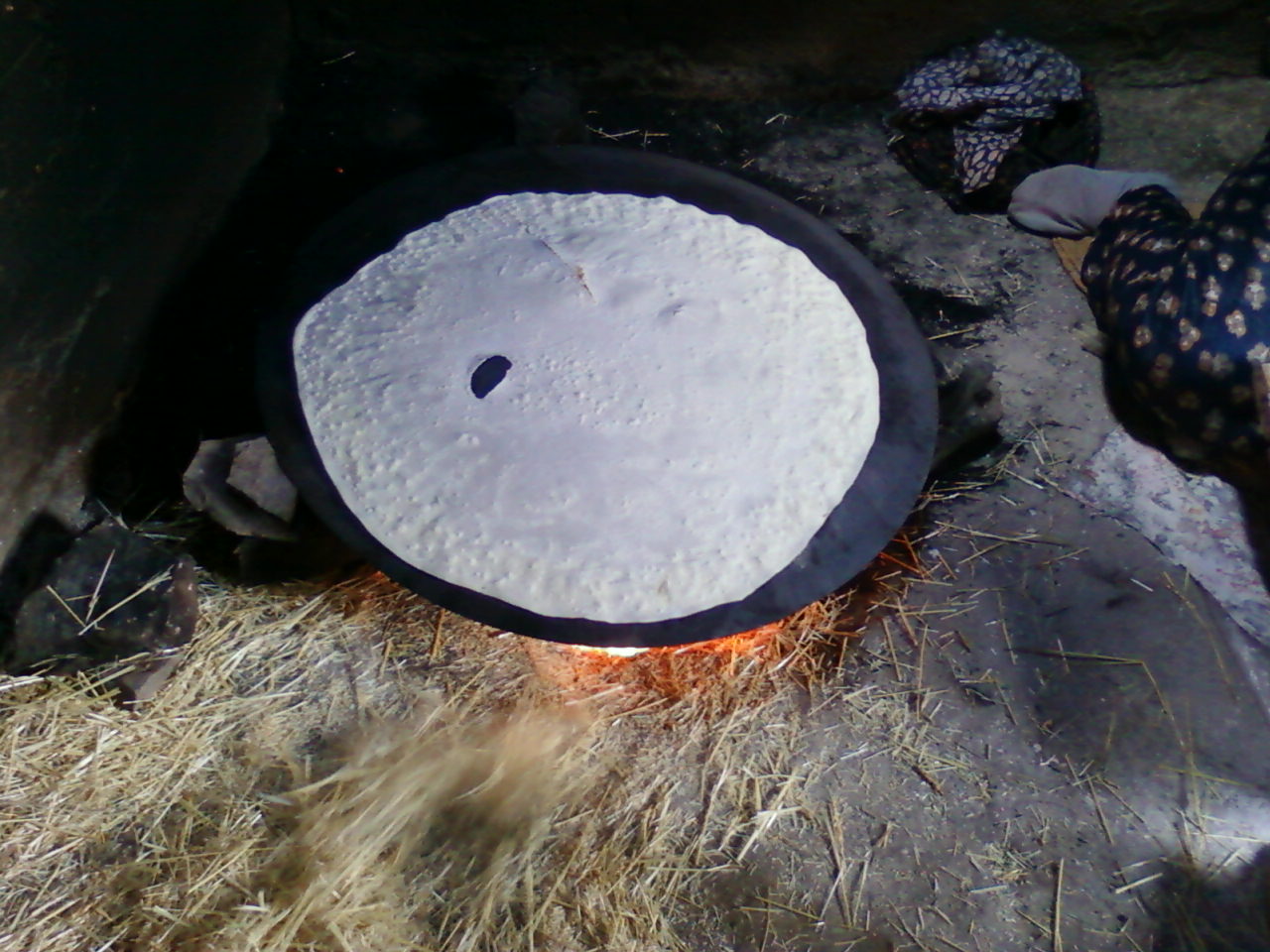
Lebanese Mother's Secret: Unveiling the Authentic Thin Markouk Saj Bread
Nestled in the heart of Lebanese culinary tradition lies a staple so humble, yet so profoundly cherished:
markouk saj bread. This paper-thin, irresistibly versatile flatbread isn't just food; it's a whisper of generations, a testament to hospitality, and a comforting embrace from Lebanese mothers who have perfected its making over countless years. Imagine the aroma wafting from a kitchen, the rhythmic stretch of dough, and the gentle sizzle as it cooks on a hot saj – that's the essence of markouk. While various flatbreads grace tables across the Middle East, the markouk prepared with a Lebanese mother's touch holds a special place, promising authenticity, delicate crispness, and a flexibility that makes it the perfect accompaniment to virtually any meal.
Unveiling the Enigma: What Exactly is Markouk Saj Bread?
To truly appreciate
markouk saj bread, it's essential to understand its identity, which, much like its many aliases, can sometimes be a delightful puzzle. At its core, markouk is a distinctive Middle Eastern and South Asian flatbread, celebrated for its remarkable thinness. The secret to its unique texture lies in its cooking method: it’s traditionally baked on a convex metal griddle known as a *saj* (or *tava*). This unique dome-shaped surface allows the bread to cook quickly and evenly, achieving its signature ethereal thinness.
Often, when people refer to "saj bread," they're speaking of a broad category rather than a single recipe. This expansive family includes diverse flatbreads like Indian Tava Roti, Turkish Yufka bread, and Palestinian Shrāke bread. Markouk, however, carves out its own esteemed niche within this category, often hailed as the "king" of thin Middle Eastern flatbreads. It goes by several enchanting names, each hinting at its widespread appeal: *shrak*, *mashrooh*, *khubz ruqaq*, and often simply "Arabic thin bread" or even "Lavash" in some regions, though traditional Lavash can vary slightly.
While many traditional versions of markouk are unleavened, allowing for an even crisper texture, the home-style version perfected by Lebanese mothers frequently incorporates yeast. This slight leavening adds a touch more pliability and softness, making the bread more forgiving to handle and even more versatile for wraps. This subtle adaptation is a hallmark of the homemade, beloved
markouk saj bread that connects directly to the heart of family tradition.
The Heart of the Home: Why Markouk is More Than Just Bread
In Lebanon, food is love, and
markouk saj bread embodies this sentiment perhaps more than any other staple. It's not merely an item on the menu; it's a central pillar of communal dining and a symbol of deep-rooted hospitality. The process of making markouk, especially following a "Lebanese mother-approved" method, is often a cherished ritual passed down through generations. It speaks of patience, skill, and the profound joy of nurturing family and friends through food.
Imagine grandmothers and mothers, their hands moving with practiced grace, stretching the dough until it's almost translucent, then flipping it onto the scorching saj. This scene is not just about baking; it's about preserving cultural heritage. The sensory experience of markouk is unforgettable: the delicate aroma of baking flour, the slight crispness that gives way to a tender chew, and its ability to absorb the rich flavors of a mezze platter or a hearty stew. It's the perfect canvas for a myriad of dishes, making it indispensable for breakfast, lunch, and dinner. From tearing off a piece to scoop up creamy hummus or labneh, to wrapping it around savory grilled meats for a quick meal, markouk truly makes every bite an experience. It signifies warmth, welcome, and the enduring power of tradition that binds families together.
From Dough to Delight: Crafting Your Own Markouk Saj Bread
Bringing the authentic taste of
markouk saj bread into your home is a rewarding journey that, despite its delicate appearance, is surprisingly accessible. The ingredients are few and humble, echoing the simplicity of traditional Lebanese cooking, while the technique, once mastered, becomes a delightful dance.
The foundation of this exquisite bread lies in its straightforward ingredients:
- Flour: A blend of all-purpose white flour and a touch of whole-wheat flour often yields the best results – providing both a delightful flavor profile and the necessary pliability.
- Salt: Essential for enhancing the overall taste of the dough.
- Yeast & Sugar: As mentioned, many homemade markouk recipes (like our Lebanese mother's secret) incorporate yeast for a softer, more flexible bread. The sugar acts as food for the yeast, ensuring it activates properly.
- Water: The lifeblood of the dough, bringing all ingredients together and assisting in the stretching process.
- Cornmeal (or extra flour): Used for dusting the dough and your workspace, preventing sticking as you work towards that paper-thin result.
The true magic of
markouk saj bread, and what sets it apart, is the technique used to achieve its iconic paper-thinness. This involves a unique method of stretching the dough:
- The Cushion: Traditionally, a round, soft pillow (often dedicated solely to bread-making and kept meticulously clean) is used. The dough is deftly stretched over this cushion until it becomes almost transparent. If you don't have a dedicated pillow, a clean cloth over a round cushion can serve as an excellent alternative.
- The Saj: While professional bakers use a large, convex metal griddle called a saj, home cooks can ingeniously replicate this with an inverted wok or kadai, ensuring it has a smooth, rounded bottom. Alternatively, a large, flat crepe or pancake pan can also be used, though the convex shape of a wok offers a more traditional curve for stretching and cooking.
Chef's Tip: For optimal results, aim for a cushion and cooking surface (saj alternative) that are similar in size. This ensures a seamless transition when flipping the delicate dough. The cooking time is incredibly fast, often just seconds on each side, leaving the bread lightly golden and fragrant.
Embracing this process allows you to connect with centuries of culinary heritage. While the first few attempts might feel tricky, practice makes perfect, and the reward of creating your own authentic
markouk saj bread is truly unparalleled. For a deeper dive into the specific steps and proportions, you might find valuable guidance in
Mastering Markouk: Bake Paper-Thin Lebanese Saj Bread at Home, which offers detailed instructions to help you perfect this delightful bread.
Beyond the Baking: Serving Suggestions and Culinary Pairings
The beauty of authentic
markouk saj bread lies not only in its exquisite preparation but also in its incredible versatility at the table. Its delicate, neutral flavor and flexible texture make it the ideal companion for almost any dish, elevating simple meals into memorable feasts.
One of the most common and beloved ways to enjoy markouk is as part of a traditional Lebanese mezze spread. Tear off a piece and use it to scoop up creamy dips like hummus, smoky baba ghanoush, or tangy labneh. Its thinness makes it light and perfectly absorbent, allowing the flavors of the dips to shine through.
For breakfast, markouk can be equally delightful. Serve it alongside fresh cheese, olives, and a sprinkle of za'atar mixed with olive oil. Its mild flavor complements both savory and sweet toppings, making it a wonderful base for honey or jam as well.
At lunch or dinner,
markouk saj bread truly comes into its own as the ultimate vehicle for wraps. Its generous size and flexibility are perfect for encasing:
- Shawarma: Succulent marinated meat, pickles, and tahini sauce.
- Falafel: Crispy chickpea patties with fresh vegetables and a drizzle of tahini.
- Grilled Halloumi: Slices of grilled cheese with mint and tomato.
- Simple Vegetables: Fresh herbs, tomatoes, cucumbers, and a touch of olive oil for a light, healthy meal.
Beyond wraps, markouk is excellent for sopping up the rich gravies of stews, accompanying grilled meats like shish taouk, or simply as a side to any hearty meal. Its adaptability is a testament to its enduring popularity and why it remains a cherished staple in Lebanese homes. To fully appreciate the diverse landscape of Middle Eastern flatbreads and their uses, exploring resources like
Markouk, Shrak, Lavash: Understanding Middle Eastern Saj Bread can provide even more culinary inspiration.
Embracing the Tradition: A Culinary Journey
The journey into making and savoring authentic
markouk saj bread is more than just a culinary endeavor; it’s an invitation to partake in a rich cultural heritage. From the simple act of mixing humble ingredients to the skilled stretching of the dough and the quick dance on the hot saj, every step is infused with tradition and love. This paper-thin flatbread, often heralded as a Lebanese mother’s secret, offers a unique window into the heart of Middle Eastern hospitality and family life. Its versatility, delicate texture, and comforting presence at any meal make it a truly indispensable staple. So, gather your ingredients, prepare your saj (or its home alternative), and embark on this delicious adventure. You're not just baking bread; you're preserving a legacy and creating new memories, one flavorful, paper-thin piece at a time.